PNW Electronic Recycling Services: Professional Electronics Recycling
Top Advantages of Professional eWaste Disposal: What You Should to Know
The treatment of electronic waste is an urgent priority in contemporary digital society. Professional electronic waste disposal services safeguard the natural environment while also guaranteeing adherence to regulations. They resolve data security problems and facilitate the disposal process, which can greatly impact financial outlay and reputation. Understanding the various strengths of these offerings is essential for organizations committed to manage their electronic waste with responsibility. What crucial factors ought businesses examine when determining which disposal service to select?
Why E-Waste Reduction Is Essential for the Surroundings
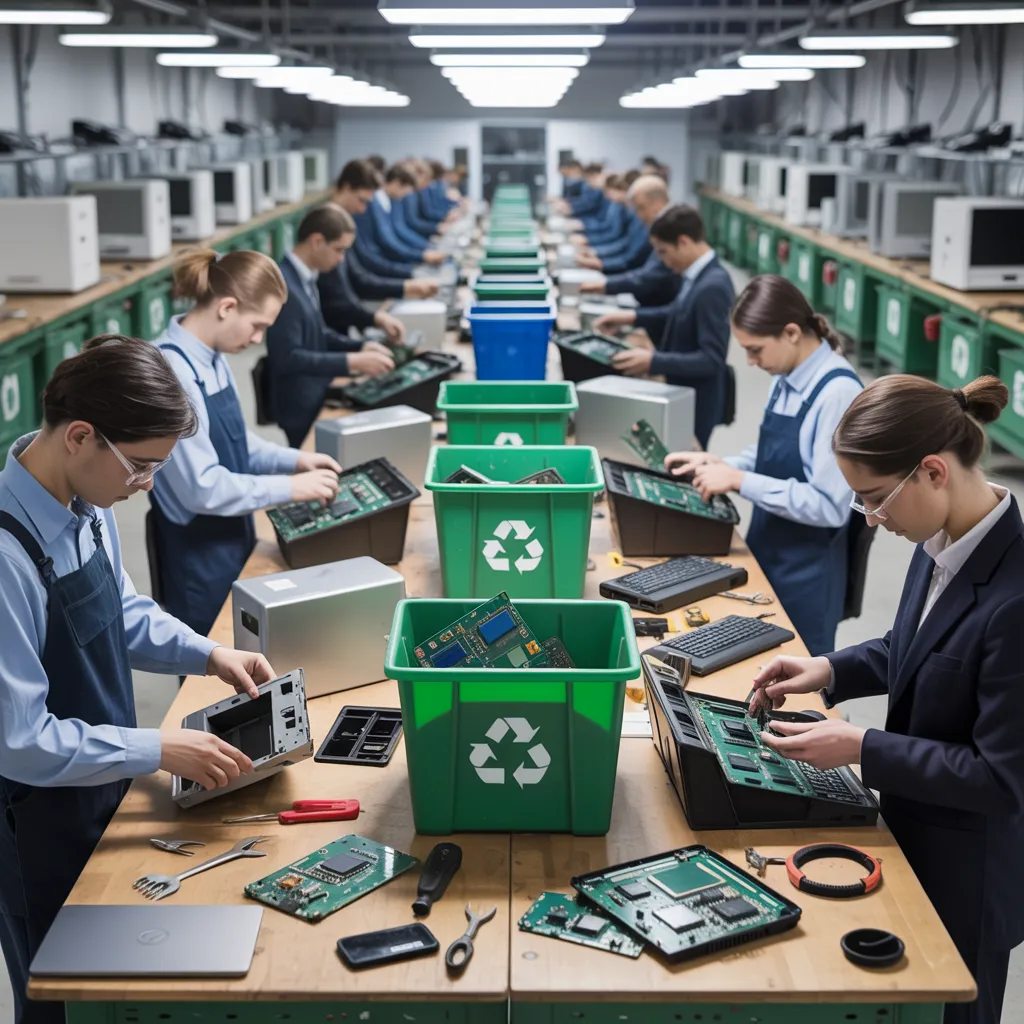
Although technology progresses rapidly, the ecological effect of electronic waste constitutes a critical matter. E-waste, which embraces obsolete electronic devices like smartphones, computers, and televisions, regularly possesses dangerous substances such as lead, mercury, and cadmium. When not properly managed, these materials can leach into soil and water sources, generating major health risks to ecosystems and human populations.
Moreover, electronic waste contributes to the growing landfill issue, where important resources are wasted. Recycling and proper disposal can lessen these impacts by obtaining materials like metallic elements and plastics, reducing the demand for virgin resources. Professional e-waste disposal services guarantee compliance with environmental standards, promoting responsible handling of electronic waste. By giving priority to proper e-waste disposal, individuals and businesses can play an important role in preserving the environment, preserving resources, and supporting a sustainable future. Such practices are fundamental for reducing the environmental footprint of a technology-driven society.
The Impact of Compliance in E-Waste Disposal Regulations
Adhering to e-waste waste management rules is vital in establishing a legal framework that governs the management of electronic waste. These requirements not only ensure that companies adhere to environmental standards but also mitigate the negative effects of incorrect handling on ecosystems. Understanding the overlap of regulatory obligations and ecological factors is essential for effective e-waste management.
Legal Structure Explanation
The legal structure overseeing e-waste disposal is crucial for promoting sustainable operations. Multiple regulations, including the Resource Conservation and Recovery Act (RCRA) in the United States, establish standards for the handling and disposal of electronic waste. These laws aim to mitigate safety hazards and ecological dangers associated with improper disposal. Compliance with these rules not only safeguards public health but also promotes responsibility among manufacturers and consumers. Additionally, global treaties, such as the Basel Convention, highlight the need for responsible e-waste handling on a global scale. Companies must remain aware about these legal requirements to prevent fines and promote sustainable practices. Comprehending this framework is crucial for any entity involved in e-waste management.
Environmental Influence Considerations
Inadequate disposal of e-waste poses major ecological dangers, making compliance with disposal standards a important factor in addressing these hazards. Electronic products frequently include toxic substances, including lead and mercury, which can seep into soil and water, damaging ecosystems and public health. Observing e-waste disposal regulations ensures that hazardous materials are processed safely, reducing the risk of environmental contamination. In addition, compliance enables the reclamation of important materials, fostering sustainability and resource conservation. Organizations that emphasize regulatory adherence not only participate in environmental protection but also strengthen their reputation. As understanding of e-waste issues increases, compliance becomes increasingly necessary for businesses and individuals seeking to minimize their ecological footprint and advocate responsible disposal practices.
How Professional Services Deliver Safe Handling of Harmful Materials
Numerous organizations confront the challenge of controlling hazardous materials present in electronic waste, making professional services vital for safe disposal. These services are equipped with the expertise and resources needed to handle toxic substances, such as lead, mercury, and cadmium, which are commonly found in outdated electronics. Professionals follow stringent regulations and guidelines to guarantee compliance with environmental laws, decreasing the risk of contamination and harm.
Furthermore, skilled technicians utilize advanced tools and methods to safely dismantle and recycle electronic components. This process reduces exposure to dangerous substances, safeguarding both workers and the community. Professional services also offer proper documentation, guaranteeing accountability in the disposal chain. By entrusting e-waste disposal to certified experts, organizations can mitigate potential liabilities and contribute to sustainable practices, fostering a safer environment for all. Consequently, professional e-waste disposal is not only a legal necessity but also a responsible choice for managing hazardous materials.
Data Security: Why Professional E-Waste Removal Matters
Ensuring information protection is a critical concern for organizations disposing of e-waste. Old equipment often contain confidential data, including personal data, proprietary company details, and monetary documentation. Incorrect waste management can result in security incidents, exposing organizations to lawful obligations and brand harm. Professional e-waste disposal services utilize certified methods to safely eliminate data from devices, ensuring that it cannot be recovered.
These services often adhere to strict regulatory standards, such as GDPR and HIPAA, which mandate the secure handling of sensitive information. By entrusting e-waste disposal to experts, organizations minimize risks associated with data theft and unauthorized access. Additionally, these experts provide documentation that confirms proper data destruction, offering peace of mind to companies worried about their data security. In an age where cyber threats are prevalent, prioritizing professional e-waste disposal is crucial for protecting sensitive information and preserving trust with clients and stakeholders.
Perfecting Your Electronic Waste Treatment Workflow
Streamlining the e-waste disposal process involves implementing effective gathering techniques and simplified sorting procedures. These initiatives not only strengthen workflow productivity but also guarantee secure waste management protocols are followed. By advancing these steps, entities can substantially decrease their ecological footprint and increase compliance with regulations.
Improved Collection Methods
Efficient collection approaches are fundamental in refining the e-waste disposal process. With scheduled pickups and assigned drop-off sites, organizations can substantially decrease the hurdles for consumers to dispose of their electronic waste in a responsible way. Using specialized collection vehicles and qualified personnel assures safe and secure handling of e-waste, lowering the risk of environmental pollution. Moreover, teaming up with local businesses and community organizations strengthens outreach activities, spurring greater engagement in recycling programs. Advanced tracking systems can also be employed to monitor collection rates and identify trends, facilitating continuous improvement in disposal strategies. At last, these efficient methods of collection assist in fostering a sustainable approach to electronic waste management, benefiting the environment and local societies.
Simplified Sorting Processes
Actions to fortify efficient collection methods naturally create the necessity for simplified sorting procedures. Perfecting the sorting process substantially reduces the time and labor connected to e-waste disposal. By putting into place explicit classification frameworks, organizations can effortlessly detect and segregate various types of electronic waste, such as computers, mobile devices, and appliances. This not only accelerates the disposal process but also minimizes the risk of cross-mixing among different materials. Additionally, simplified sorting reduces the burden on workers, allowing them to focus on legal requirements and safety protocols. Ultimately, efficient sorting procedures establish that e-waste is addressed responsibly, setting the stage for suitable recycling and disposal, while also supporting overall environmental sustainability.
Safe Waste Management Practices
Implementing responsible recycling practices is essential for efficient e-waste disposal. Professionals in the field emphasize approaches that minimize damage to the environment and guarantee compliance with regulations. This includes the correct segregation of elements, such as metals, plastics, and hazardous components, to facilitate effective recycling. By employing certified recycling facilities, e-waste is processed with the greatest care, reducing the risk of dangerous chemicals contaminating the environment. Additionally, safe practices encourage the recovery of valuable materials, contributing to a closed-loop economy. Organizations that adopt these practices not only protect the environment but also boost their reputation as responsible corporate citizens. Ultimately, adopting safe recycling practices simplifies the process of e-waste disposal, ensuring sustainability and compliance with legal standards.
Cost Benefits of Professional E-Waste Disposal
Many organizations discover that expert electronic waste removal can significantly lower long-term costs associated with managing obsolete electronics. By delegating e-waste management, companies reduce expenses connected with storage, handling, and potential fines for improper disposal. Professional services often encompass collection, transportation, and recycling, simplifying operations and reducing labor costs.
Also, certified e-waste disposal providers confirm adherence with environmental regulations, facilitating entities avoid hefty penalties that occur from non-compliance. This anticipatory approach not only stops financial setbacks but also enhances the company's reputation as an eco-aware organization.
In addition, various e-waste disposal services present data destruction capabilities, preserving sensitive information and negating the exposure to security incidents that might trigger costly legal liabilities. Ultimately, committing resources to professional e-waste disposal achieves significant monetary gains, promoting the need of establishing a thoughtful approach to electronic waste management.
Picking a reliable E-Waste Handling Firm?
How can businesses ensure they select a reputable e-waste management service? First, they should verify credentials and adherence with local regulations, guaranteeing the service adheres to ecological standards. A reliable provider will have certifications such as R2 or e-Stewards, which indicate ethical recycling practices.
Next, companies should examine the provider's background and history. Reviews and testimonials can offer understanding of the dependability and caliber of service. Additionally, a reputable company will offer clear pricing structures and clearly outline their disposal processes.
It is also necessary to inquire background information about data security measures. A dependable service should assure the secure destruction of sensitive information on devices. Finally, businesses may profit from selecting a service that delivers additional services, such as resource retrieval or refurbishment, boosting overall value. By adopting this strategy, businesses can securely select a dependable e-waste disposal partner that corresponds with their sustainability goals.
Frequently Inquired Questions
Which Types of Electronics Can Be Disposed of Professionally?
Professionally disposed of electronics include computers, monitors, televisions, printers, smartphones, tablets, and other devices containing circuit boards or batteries. Proper disposal ensures hazardous materials are controlled safely, encouraging environmental responsibility and compliance with regulations.
How Often Times Should Businesses Dispose of E-Waste?
Businesses should get rid of e-waste at least once per year, or more frequently depending on their amount of obsolete electronics. Routine removal helps reduce environmental impact and guarantees adherence with laws regarding hazardous materials.
What tax advantages are offered for e-waste recycling?
Tax incentives for e-waste disposal exist in multiple formats, including deductions and credits. These benefits motivate businesses to recycle responsibly, reducing ecological consequences while possibly lowering their tax obligations through participation in authorized recycling initiatives.
Will Non-profit Groups Benefit From E-Waste Disposal Services?
Non-profit organizations can genuinely leverage e-waste disposal offerings. These services often present reasonable approaches, promote environmental responsibility, and may unlock fundraising opportunities through partnerships, enhancing their community involvement and sustainability initiatives.
What Transpires to E-Waste After Specialized Management?
After expert removal, e-waste is typically dismantled, with reusable resources separated. Dangerous materials are securely handled, while reusable components are restored or reallocated, guaranteeing ecological protection and advancing material preservation in a eco-friendly way.