Trusted Retail Colocation for Optimal Business Operations
Retail Colocation: Streamline Your Supply Chain and Elevate Customer Experience*
Retail colocation provides an effective approach for companies looking to optimize their supply chains. By unifying logistics processes and inventory control, retailers can substantially boost operational efficiency. This strategy not only cuts overhead but also enhances inventory transparency. However, the seamless integration of retail colocation demands a nuanced understanding of its advantages and obstacles. As the market transforms, retailers must assess the role of digital solutions in accelerating this transformation. What key elements will define their success?
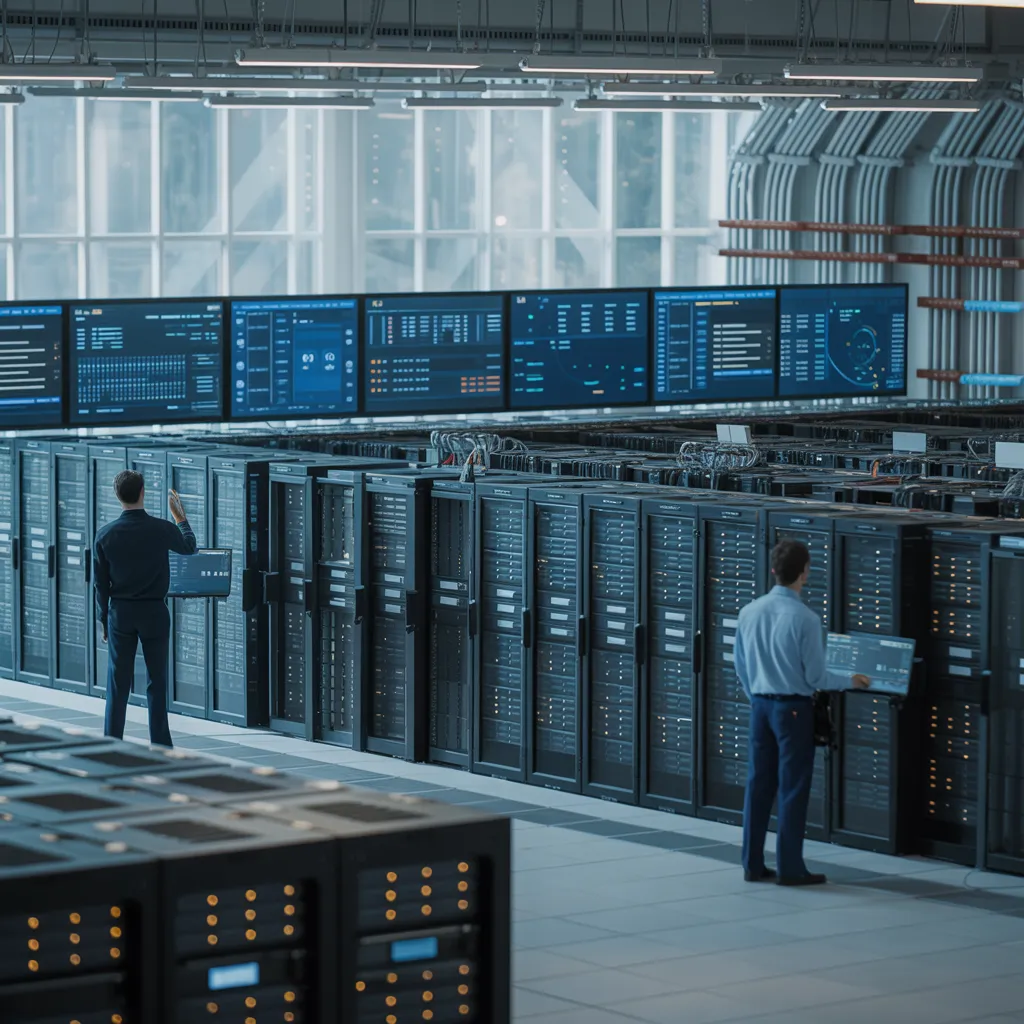
Comprehending the Challenges in Retail Supply Chains
Technological limitations also pose challenges, as numerous retailers find it difficult to incorporate sophisticated systems for live tracking and data evaluation. Such limited visibility may obstruct key decision-making procedures and the capacity to adapt to evolving market conditions. Moreover, the escalating complexity of logistics management, including freight costs and regulatory obligations, creates further layers of difficulty.
Tackling these obstacles demands a strategic approach, prioritizing collaboration among stakeholders, investment in technology, and adaptive approaches to adapt to shifting market conditions. By conquering these obstacles, retailers can enhance operational efficiency and elevate the overall customer experience.
Understanding Retail Colocation and Its Benefits
Retail colocation offers a strategic advantage by improving supply chain performance through streamlined operations. By consolidating resources, businesses can achieve cost-effective resource management, ultimately leading to enhanced financial performance. Grasping these key factors is vital for retailers seeking to improve their supply chain and operational structures.
Improved Supply Chain Performance
Improving supply chain operations is a critical objective for businesses pursuing a competitive edge, and retail colocation offers a strategic solution. By consolidating services within a shared facility, retailers can improve communication and collaboration among various stakeholders, including suppliers and logistics providers. This proximity encourages real-time data sharing, allowing quicker responses to market demands and reducing lead times. Additionally, retail colocation lowers transportation costs and carbon footprints by consolidating inventory. Improved inventory management and streamlined distribution channels contribute to a more agile supply chain, enabling businesses to adapt quickly to changes in consumer behavior. Ultimately, retail colocation not only enhances operational efficiency but also ensures a seamless customer experience, placing businesses for sustained success in a competitive landscape.
Cost-Effective Resource Management
Efficient supply chain processes establish the foundation for examining budget-friendly resource management in the retail industry. Retail colocation empowers organizations to merge resources, cutting the overhead costs linked to sustaining distinct facilities. Through the sharing of infrastructure and services, retailers are able to attain economies of scale that boost profitability while reducing waste. This joint approach promotes innovation, permitting organizations to harness shared expertise and technology to simplify operations. Moreover, minimized logistical complications contribute to swifter response times, synchronizing inventory levels with market demand more efficiently. Consequently, companies can refine their resource distribution, guaranteeing that capital is directed where it yields the greatest return. In summary, retail colocation serves as a strategic pathway for improving both operational performance and cost control in the current competitive landscape.
Enhancing Supply Chain Performance With Retail Colocation
Attaining exceptional supply chain performance frequently depends on forward-thinking approaches, and retail colocation proves to be a revolutionary option. By consolidating multiple retailers within a shared facility, businesses can streamline their logistics operations, reducing transportation costs and improving inventory management. This cooperative model encourages instantaneous information exchange, allowing stakeholders to react promptly to market shifts and customer needs.
Retail colocation additionally معلومات أساسية boosts transparency across the supply chain, allowing stakeholders to track products from suppliers to end customers seamlessly. By leveraging shared resources, businesses can reduce waste and maximize storage capacities, ultimately resulting in quicker turnaround times. Furthermore, the proximity of various retailers can facilitate partnerships and collaborative marketing efforts, further enhancing operational efficiency. In an increasingly competitive landscape, adopting retail colocation can provide a significant edge, ensuring that supply chains remain agile and responsive to evolving consumer needs.
Essential Elements for a Winning Retail Co-location Strategy
The foundation of a successful retail colocation strategy relies on multiple essential factors. Smooth data integration ensures reliable communication across all platforms, while flexible infrastructure solutions facilitate expansion. Additionally, careful location selection is vital for maximizing accessibility and operational efficiency.
Smooth Data Integration
When navigating the challenges within retail colocation, seamless data integration emerges as a fundamental factor for achieving success. This capability facilitates real-time data sharing across various platforms, enhancing visibility and responsiveness throughout the supply chain. Through the synchronization of data across inventory management, customer relationship management, and logistics systems, retailers can enhance operational efficiency and drive better decision-making. Additionally, efficient data integration encourages teamwork among key stakeholders, enabling proactive problem-solving and enhanced customer satisfaction. Retailers that prioritize seamless data integration gain the ability to predict market shifts and align with customer expectations, resulting in increased sales and greater customer satisfaction. Within a highly competitive market, this ability proves indispensable for enhancing performance while sustaining a resilient and flexible supply chain.
Expandable Infrastructure Solutions
Effective retail colocation relies heavily on dynamic infrastructure solutions that respond to shifting operational demands. Organizations must prioritize flexibility in their IT frameworks, enabling smooth scaling up or down in response to market conditions. Cloud computing, virtualization, and modular systems are essential components that enable retailers to efficiently manage resources and respond to fluctuations in customer traffic. Furthermore, these technologies support the swift introduction of new services, boosting overall operational productivity. Through the adoption of scalable infrastructure, retailers are able to streamline their supply chain operations, guaranteeing their competitiveness in a rapidly evolving marketplace. Ultimately, a well-structured infrastructure not only supports business growth but also improves customer experiences, as services can be reliably delivered and adjusted according to real-time requirements.
Strategic Location Planning
Choosing the right site for retail colocation is essential for optimizing operational efficiency and boosting customer engagement. Thoughtful location planning involves evaluating elements including nearness to supply sources, transportation networks, and key customer segments. A well-chosen site minimizes logistics costs and improves inventory management, guaranteeing prompt product supply. Additionally, visibility and accessibility are essential; sites that draw customer traffic can greatly boost customer interactions and customer allegiance. In addition, evaluating regional market dynamics and rivals helps organizations to discover favorable possibilities. By emphasizing these considerations, companies can establish a robust colocation strategy that not only streamlines operations but also cultivates a compelling retail environment, thereby increasing revenue and improving customer fulfillment.
The Way Technology Powers Retail Colocation Innovation
As technology keeps advancing, it markedly shapes the world of retail colocation, improving operational performance and service capabilities. Advancements including cloud computing and sophisticated data analytics support the seamless consolidation of services, allowing retailers to streamline their supply chains. This consolidation supports real-time inventory tracking, decreasing excess inventory and boosting turnover efficiency. Furthermore, the adoption of Internet of Things (IoT) devices allows retailers to analyze customer behavior and purchasing patterns, customizing services to improve the shopping experience.
AI also serves a pivotal function supporting predictive analytics that assist retailers in predicting demand changes and maximizing resource allocation. Additionally, automation solutions improve operational processes, lowering labor expenses and decreasing human error. As these innovations in technology keep progressing, retail colocation will evolve, driving efficiency and fostering innovative customer engagement strategies. Ultimately, technology functions as a catalyst, converting retail colocation into a flexible and forward-thinking environment.
Real-Life Success Stories of Retail Colocation
Although numerous retailers struggle with managing intricate supply chains, a number have embraced retail colocation to accomplish outstanding results. One notable example is a leading grocery chain that integrated its logistics operations within a colocation facility. This move streamlined inventory management, drastically reducing delivery times and enhancing customer satisfaction.
Another success story involves a popular electronics retailer that utilized colocation infrastructure to streamline its data processing capabilities. As a result of this decision, the retailer improved real-time inventory visibility and streamlined its order fulfillment process, leading to a significant increase in online sales.
Furthermore, a apparel retailer leveraged colocation to boost its supply chain responsiveness, permitting more rapid responses to shifting market demands. As a result, the business not only elevated operational performance but also boosted its overall financial performance. These success stories showcase how retail colocation can transform supply chain operations and elevate customer engagement, positioning retailers for enduring expansion.
Questions We Often Receive
Which Business Types Stand to Benefit Most From Retail Colocation?
Organizations such as online retailers, supply chain companies, and technology businesses benefit most from retail colocation. These businesses experience enhanced operational performance, reduced latency, and improved customer satisfaction by utilizing collaborative resources and facilities in carefully situated locations.
What Effect Does Retail Colocation Have on Inventory Management Practices?
Retail colocation simplifies inventory management by centralizing storage and distribution, enhancing accuracy and efficiency. Businesses experience reduced lead times, improved real-time tracking, and decreased stockouts, ultimately resulting in better customer satisfaction and optimized operations.
What Are the Costs Linked to Implementing Retail Colocation?
Establishing retail colocation solutions entails multiple financial considerations, comprising capital investments in infrastructure, ongoing operational expenses, personnel needs, as well as possible technology improvements. Furthermore, organizations could face financial obligations related to training and integration of systems to guarantee efficient and continuous performance.
What Are the Best Ways for Small Retailers to Access Colocation Services?
Small-scale retail businesses can access colocation services efficiently by collaborating with specialized providers, taking advantage of scalable solutions, and investigating communal data center spaces. This approach reduces overhead costs while guaranteeing reliable infrastructure and enhanced overall productivity for their operations.
How Does Sustainability Influence Retail Colocation Decisions?
Sustainability significantly impacts retail colocation decisions, as companies are placing greater emphasis on eco-friendly practices. By choosing sustainable providers, businesses strengthen their brand reputation, reduce environmental impact, and connect with the values of modern consumers, which in turn cultivates enduring trust and loyalty.